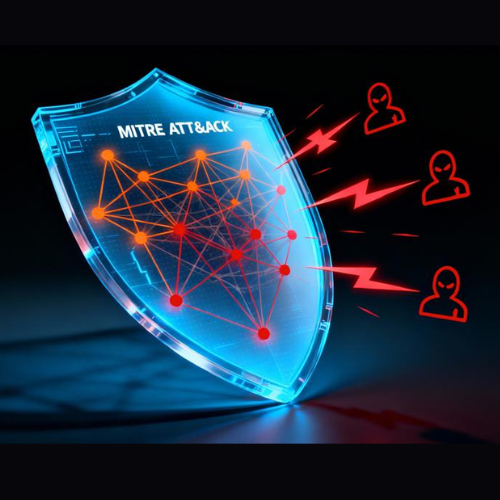

Every organisation needs a layered approach to Cyber Security audits, here are the essential types and how to implement them effectively
As 2025 winds down and the new year quickly approaches, it’s the perfect moment for organisations to take stock of their cyber security posture. With threat landscapes evolving and regulatory expectations tightening, now is the time to ensure your security audits are not just reactive checklists but proactive, strategic tools. Whether you're a startup, enterprise, or public sector agency, regular audits help uncover vulnerabilities, ensure compliance, and strengthen your overall resilience heading into 2026.
Below, we explore the key types of cyber security audits every organisation should conduct, along with actionable tips to make them count.


Network Security Audit
This audit evaluates your network infrastructure firewalls, routers, switches, and segmentation.
Focus Areas: Firewall rules, intrusion detection/prevention systems (IDPS), and network segmentation.
Action Tip: Schedule quarterly reviews of firewall configurations and test IDPS effectiveness using simulated attacks.
Application Security Audit
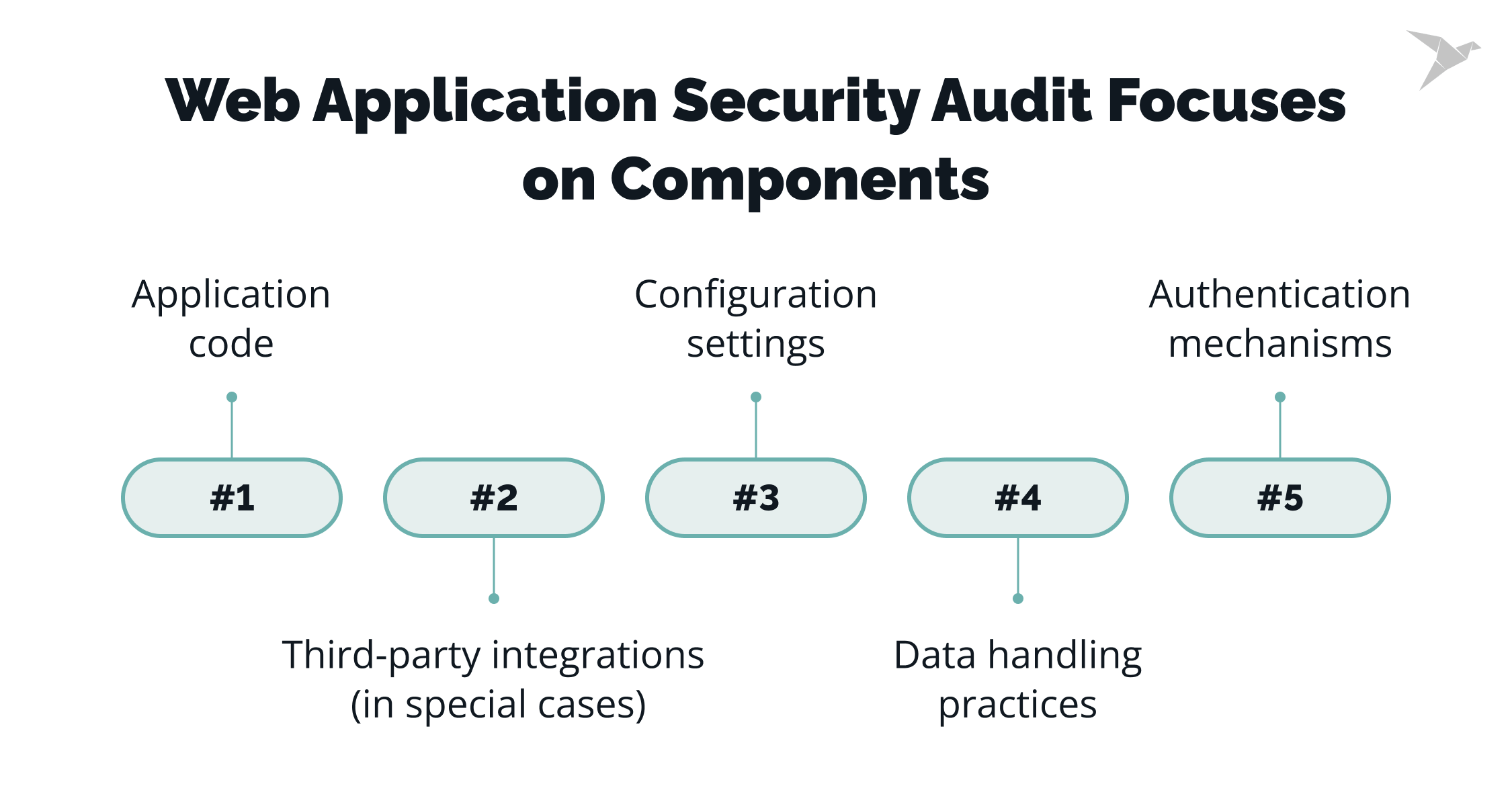
With software powering most business operations, this audit checks for vulnerabilities in web and mobile apps.
Focus Areas: Source code reviews, vulnerability scans, and patch management.
Action Tip: Use automated tools like OWASP ZAP or Burp Suite to scan for common flaws like SQL injection and XSS.

Cloud Security Audit
As cloud adoption grows, so does the need to secure cloud environments.
Focus Areas: Access controls, data encryption, vendor compliance, and misconfiguration risks.
Action Tip: Implement role-based access controls (RBAC) and regularly audit cloud storage permissions.
Compliance Audit
These audits ensure adherence to standards like ISO 27001, GDPR, or Australia’s Essential Eight.
Focus Areas: Policy documentation, incident response plans, and regulatory alignment.
Action Tip: Maintain a compliance calendar to track audit deadlines and regulation updates.


Operational Security Audit
This audit reviews day-to-day security practices and employee behaviour.
Focus Areas: Password hygiene, device usage, and access provisioning.
Action Tip: Conduct regular phishing simulations and enforce multi-factor authentication (MFA) across all accounts.
Penetration Testing (Ethical Hacking)
Simulated attacks reveal real-world vulnerabilities before malicious actors do.
Focus Areas: External and internal attack vectors, social engineering, and privilege escalation.
Action Tip: Hire certified ethical hackers annually and prioritise remediation based on risk severity.


Configuration Audit
Misconfigured systems are low-hanging fruit for attackers.
Focus Areas: Server settings, endpoint security, and patch levels.
Action Tip: Use tools like CIS-CAT or Microsoft Security Compliance Toolkit to benchmark configurations against best practices.
Build an Integrated Audit Framework to maximise impact
Audit Frequency: Tailor to your risk profile, high-risk sectors may need monthly checks.
Documentation: Keep detailed records for accountability and future audits.
Continuous Improvement: Treat audits as iterative, not one-off events.
As we wrap up 2025 and prepare for the challenges and opportunities of the new year, now is the time to embed cybersecurity audits into your strategic roadmap. Think of them not as one-off tasks, but as continuous safeguards that evolve with your business.
By investing in a layered audit framework today, you’ll enter 2026 with greater confidence, resilience, and readiness to face whatever the digital world throws your way.
More from this months newsletter >

How to Get the Most Out of Your Security Provider
How to Get the Most Out of Your Security Provider A strong security provider can […]

Australian Data Breaches: Lessons from Recent Incidents
Lessons from April and May’s Australian Data Breaches April and May brought a noticeable increase […]
Advanced Phishing Emails: Real-World Example and How to Stay Protected
Advanced Phishing Emails: Real-World Example and How to Stay Protected Phishing continues to be one […]
Spotlight Feature Devo: Real-Time Security Analytics
Spotlight Feature Devo: Real-Time Security Analytics Security leaders are facing mounting pressure with limited resources […]